After determining a player character’s attributes, the player must calculate the values of each Attribute Group, also called 🌈Attribute PRISMs. Attribute PRISMs are determined by adding together the attributes that belong to the group and then consulting the PRISM Modifier Table to find the appropriate modifier. Each Attribute PRISM lists a specific set of attributes. The player adds the values of those attributes to produce a PRISM Sum. That sum is then compared against the corresponding column on the PRISM Modifier Table, which assigns a modifier ranging from –3 to +4 (heroes do not typically have PRISMs below -1 so values beneath -1 are not shown on the table). This modifier is what is actually used during play.
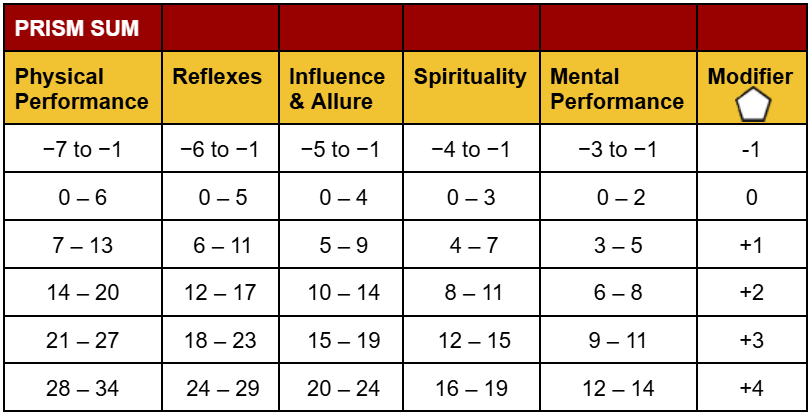
Attribute PRISMs represent broad functional capability rather than individual talent. They translate raw attributes into practical performance bands, allowing the system to model competence, training, and limitation quickly and consistently during play.
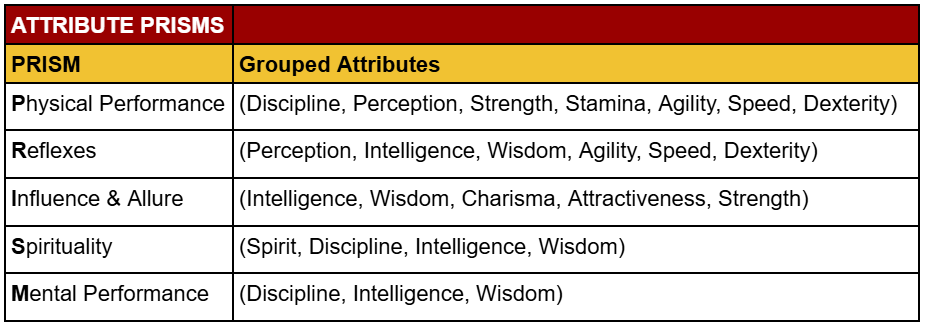
For example, the 🌈Physical Performance Attribute PRISM is determined by adding together the character’s Discipline, Perception, Strength, Stamina, Agility, Speed, and Dexterity scores. The resulting total is the Physical Performance PRISM Sum. The player then references the Physical Performance column on the PRISM Modifier Table to determine the modifier that applies to any roll calling for Physical Performance. This same process is used for all Attribute PRISMs.
Temporary increases or decreases to individual Attributes do not cause Attribute PRISMs to be recalculated during play. Attribute PRISM modifiers are treated as stable derived values and are only recalculated when a character’s Attributes permanently change (such as through advancement, injury that permanently reduces an Attribute, or other lasting effects defined by the rules). Temporary effects such as poison, fatigue, fear, and magic should normally apply modifiers directly to one or more Attribute PRISMs. If an effect lists an Attribute penalty, that penalty applies only to rolls that use that Attribute directly and does not automatically alter any PRISMs that include it unless the effect explicitly says otherwise.
Attribute PRISMs bridge the gap between Attributes and Skills, creating the link between raw potential and practical execution. Attributes define a character’s natural abilities—their physical, mental, or spiritual makeup—while Skills represent learned techniques and experience gained through training or practice. An Attribute PRISM reveals how these two combine when tested in real-world scenarios. A character may know swordsmanship, but without Strength or Agility their strikes lack force and precision. A scholar may understand chemistry, but without steady Dexterity their mixtures may spill or explode. PRISMs show not only what a character knows, but whether they can apply that knowledge effectively when it matters most.
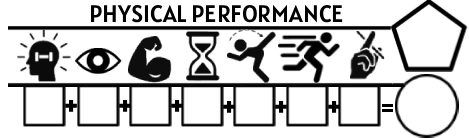
🌈Physical Performance
This Attribute PRISM is the measure of raw bodily capability. It determines how effective a character is in melee combat, grappling, or any form of hand-to-hand fighting. It also governs feats of athleticism: sprinting, climbing, lifting, and striking with force. A character’s Physical Performance is the deciding factor in tasks that mirror the trials of an infantry training course, where speed, strength, and stamina are tested in equal measure. Whether it’s scaling a wall under pressure, wrestling a foe to the ground, or carrying a wounded comrade to safety, this PRISM shows how far the body can be pushed before it breaks.
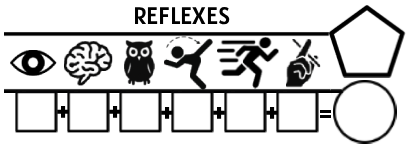
🌈Reflexes
Spies, assassins, rogues, and ninjas rely less on raw muscle and more on agility, speed, and finesse. Reflexes define how quickly a character can react, dodge, or adapt in the middle of chaos. This PRISM is critical for vehicular maneuvers—outrunning pursuers on a motorcycle, weaving through city streets in a getaway car, or piloting a helicopter out of hostile territory. It also encompasses the fine motor skills of precision shooting: the patience of a sniper, the steadiness of an archer, and the focus of a marksman. Reflexes determine success in delicate tasks such as lock-picking, sleight of hand, pickpocketing, or the quiet, calculated movements of a cat burglar slipping through shadows.
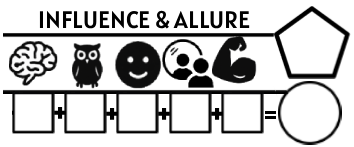
🌈Influence & Allure
People are not drawn to others by looks alone. A character’s ability to influence is a composite of their intelligence, wit, physical health, and presence. Intelligence sharpens persuasion with quick thinking and clever conversation. Strength and physical vitality enhance attractiveness, signaling health and confidence. Wisdom supports common sense and subtle intuition, the traits that make someone appear trustworthy or cunning. In dialogue, whether seducing a noble, brokering a trade, or deceiving a guard, Influence & Allure determines how well a character bends others to their will. It is the PRISM of charm, manipulation, and social gravity—the ability to pull others into your orbit.
🌈Spirituality
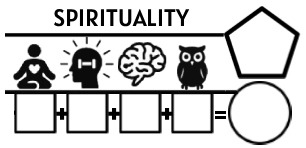
The Spirituality PRISM measures the depth of a character’s spiritual life. It is an abstract but essential attribute, reflecting how well the individual understands religious, mystical, and esoteric teachings, as well as how they live them out in practice. This isn’t simply memorization—it’s about meaningful application: the ability to pray under duress, interpret signs and symbols, resist temptation, and channel one’s beliefs into action. A high Spirituality rating may mark a prophet, a priest, or even a dark cultist—anyone whose conviction shapes their choices as much as blade or bullet.
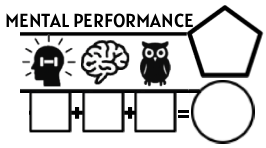
🌈Mental Performance
Mental Performance is the PRISM of intellect under pressure. It defines a character’s ability to navigate complex environments and solve problems that require both knowledge and cunning. This includes moving within the criminal underworld, discerning the true value of artifacts, diagnosing medical conditions, or attending to wounds with practiced precision. It also extends to the comprehension of difficult, layered texts—whether occult grimoires, coded messages, or religious scrolls dense with hidden meaning. Mental Performance measures not only what a character knows, but how quickly and effectively they can deploy that knowledge in tense, high-stakes situations.
Learn about Skills next, or read the previous section about Attributes.